
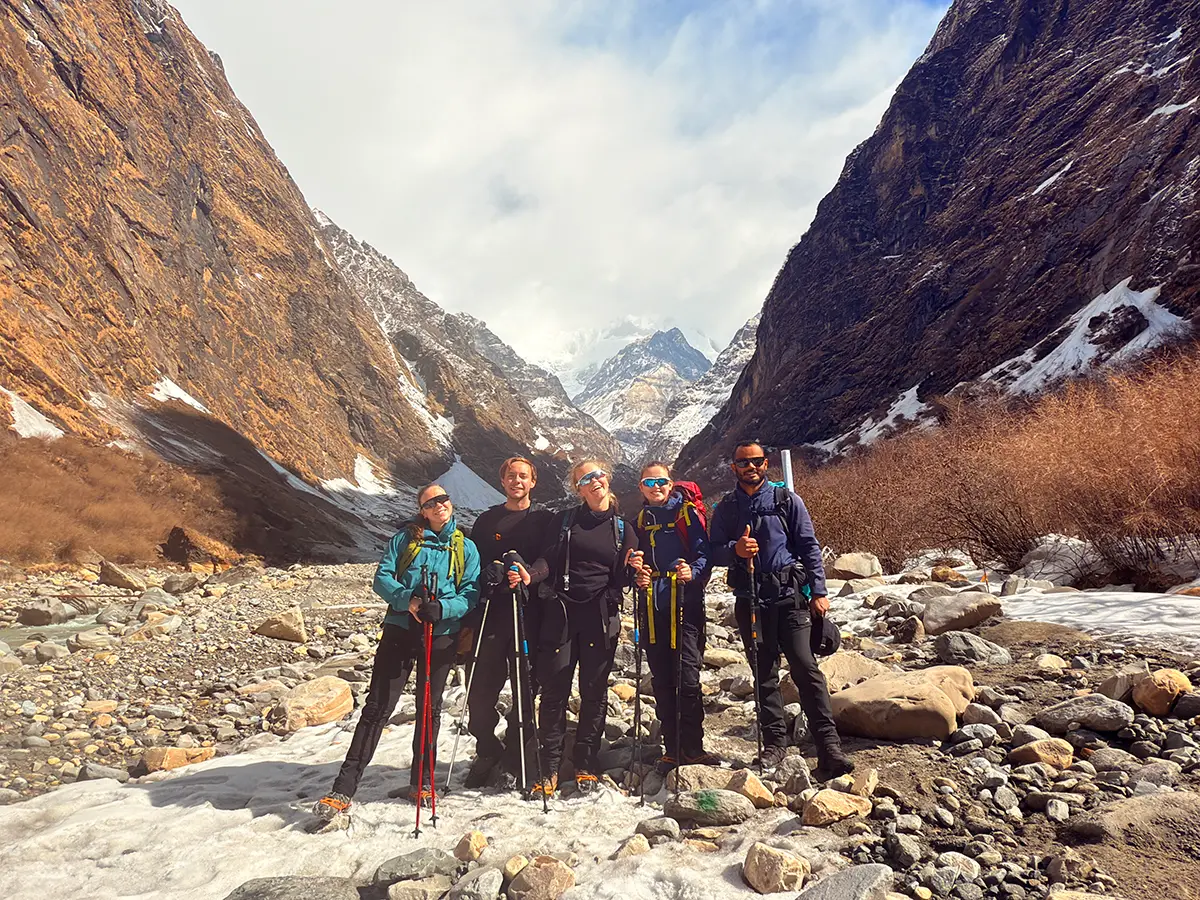
Over fifteen years of guiding trekkers along Annapurna Region, I have learned arriving ABC at 4130 meters is not just about physical fitness. Moreover, it is about the right pre-trek preparation to build mental and physical endurance, altitude awareness and packing essential gears.
I have led trekkers with different physical fitness level and trekking experience. Some land in Nepal after completing multiple high-altitude hikes and 8-week physical training for multi-day trek. Likewise, some trekkers have high-altitude trek experience and visit Nepal to enjoy the diverse landscape’s beauty and experience local people’s culture. However, Annapurna Base Camp Trek can be the appropriate option for beginner trekkers if they understand the challenges and prepare properly.
Evaluating whether a trekker is ready for ABC Trek journey is the most important responsibility of a trekking guide. While assessing trekker’s readiness for ABC, I consider:
- Past trekking experiences
- Ability to walk for 5 to 7 hours each trekking day along uphill and downhill trails
- Understanding of challenges with rise in altitude
- Experience on walking uneven trail consisting small scree
- Preparation to boost physical and mental endurance
- Commitment to follow safety advice of trekking guide
Therefore, above consideration for assessment helps me understand their abilities and advice practical pre-trek preparation before the trek starts. In this guide, I will explain how I evaluate if a trekker is ready for ABC Trek and what I consider before departure.
I First Assess Trekker’s Previous Trekking Experience
Before assessing about physical fitness, I ask about a trekker’s previous trekking experiences. Their trekking background helps me to analyze:
- How comfortable they are with walking for 5 to 7 hours during consecutive trekking days
- Familiarity with uneven terrain
- Ability to manage fatigue
I generally ask question such as:
- Do you have any previous multi-day trekking experiences?
- How many how can you walk in a day without excessive fatigue?
- Have you hiked for several hours along uphill and downhill trails?
- What level of fatigue do you experience after long day of physical activity?
- Have you ever hiked for several hours with loaded backpack?
However, previous trekking experience is part assessment but it is not the prerequisite for Annapurna Base Camp Trek. Beginners can reach to ABC at 4130 m with proper preparation, setting realistic expectation and selection right itinerary.
I evaluate Physical Fitness and Walking Stamina
Physical fitness and Walking Stamina is the important factor which I consider when assessing readiness for the ABC Trek. Furthermore, trekkers need to walk for multiple hours on consecutive days along:
- Steep uphill and downhill trails
- Narrow trails inside dense forest shaded by tall trees
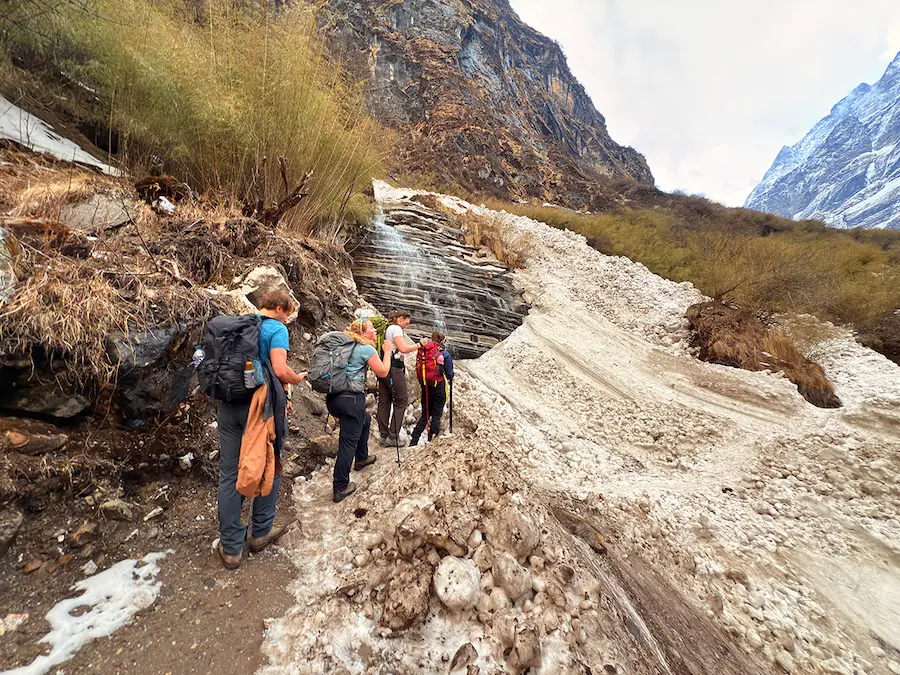
- Steep stone-steps and rocky path
However, trekkers need enough walking stamina to maintain steady pace without being physically exhausted early in the day.
I highly recommend enthusiastic trekkers to evaluate their current physical fitness through regular hiking along changing terrain before departure.
What level of physical fitness is required for ABC Trek?
Good physical fitness does not guarantee success completion of the ABC Trek. Trekker should gradually train their body to feel comfortable with multiple hours of walking along uphill, downhill and uneven sections.
My essential pre-trek preparation tip for comfortable walking with changing terrain includes:
- Improve cardiovascular endurance with regular hiking, cycling, stair climbing and brisk walking.
- Perform squats and lunges to strengthen your legs muscles.
- Engage in plank exercises to maintain balanced posture with your spine while walking on rocky and uneven terrain.
Therefore, our main goal is to boost enough physical endurance to walk comfortable and manage fatigue with consistent preparation.
I Ask Whether Trekker Understands the Elevation Challenge and Acclimatization
Annapurna Base Camp is nestled at an elevation about 4130 m where oxygen availability per breath is lower than at sea level. It increases the risk of altitude-related illness. However, good physical fitness is important but it does not assure that trekker adapt well to altitude.
When assessing the trekker, I explain trekkers that even previous trekking experience and fitness cannot prevent altitude-related sickness. Moreover, I also interpret importance of acclimatization to minimize the risk of altitude sickness and adapt the high-altitude environment.
Understanding the symptoms of altitude sickness is very important to make informed decision. So, I make sure trekkers familiarize with the symptoms such as:
- Headache
- Nausea
- Dizziness
- Loss of appetite
- Difficulty in sleeping
- Unusual tiredness
Moreover, I also clarify trekkers that difficult in walking, shortness of breath except steep ascent and loss of consciousness are emergency warning signs. These symptoms should never be underestimated but require immediate action. Looking at trekkers condition urgent descent or immediate helicopter evacuation is arranged.
Therefore, proper acclimatization, gradual ascent and appropriate itinerary can decrease the risk of altitude-related illness. Reaching to final destination with safety is the main priority.
I Evaluate Mental Preparation and Expectations of Trekkers
Mental Preparation is also the important part of the ABC Trek preparation and my assessment. ABC Trek is rewarding but it is physically demanding with rise in elevation. During the journey, not every day offers good weather, clear sky and mountain view.
Trekker may experience cold mornings, fatigue body after long hour trekking, crowded trails and basic accommodation. Some trekkers may feel upset when cloud covers the sweeping view of Annapurna Range.
I ask with trekkers what are their expectations and how they respond to unpredictable mountain weather condition. Moreover, I also clarify we may need to adjust itinerary if the weather is not good for safety purposes.
I evaluate whether they are well prepared and comfortable with:
- Walking at group pace by maintaining steady and comfortable pace that every trekker can manage in the group.
- Sharing accommodation facilities such as bathroom, room, communal dining hall.
- Adjusting the current itinerary when weather condition is not feasible.
- Accepting returning safely from the journey is more important that reaching to final destination.
I ask about current health condition and previous injuries
General health of trekker can determine how comfortably they can walk during consecutive trekking days along the route of ABC. During consultation, I emphasize trekkers to examine current health condition, latest injuries and movement difficulties which could make journey more challenging. Moreover, previous ankle and knee injuries, reduced balance and stability obviously affect exercise capacity.
I generally recommend to consult with qualified health care professional before departure, if someone has:
- Significant medical condition
- Intake regular medication
- History of altitude-related illness
- Difficulties with physical activities at high altitude
However, the main objective of this assessment is to help trekkers to make informed decision before booking trek package.
I access trekking gears, clothing and backpack weight
Overloading your backpack with unnecessary items can make the Annapurna Base Camp Trek journey more challenging. Heavy backpack create pressure on the legs, shoulder and cardiovascular system while walking steep uphill and downhill.
I recommend trekker to pack essential trekking gears and clothing considering season, weather conditions and itinerary.
Most essential items typically include:
- Comfortable and waterproof trekking boots and lightweight slippers or shoes
- Quick drying base layers and towels
- Waterproof jacket and trekking trousers
- Warm hat and gloves
- UV protected sunscreen, lip balm and sunglasses
- Water bottle and comfortable daypack
- Basic first aid kit and personal medication
- Headlamp
- Personal toiletries
- Essential documents
Conclusion:
From my 15 years of experience of guiding trekkers, I consider right preparation starts with a genuine assessment of trekker’s abilities and expectations. You do not need technical mountaineering skills and experienced trekkers to embark Annapurna Base Camp Trek. However, you need enough mental and physical endurance, right trekking gears and clothing, suitable itinerary and knowledge of altitude-related illness.
If you are planning to stand at the foot of Annapurna I and experience the 360-degree view of towering snowcapped mountain, start preparation earlier. I recommend to select an itinerary that match your trekking background, fitness and trekking goal. Moreover, explore the Annapurna Base Camp Trek package to learn more about route, itinerary and essential information.
Questions or Comments?
Have questions about this article or want to share your trekking experiences?
Contact Bunu